The first time I saw BBL in a text, I was confused. A friend ended a chat with “gtg, bbl,” and I kept waiting… but they never came back 😅.
Later, I saw BBL again on TikTok, Instagram comments, and even memes but this time it clearly meant something totally different.
That’s when I realized BBL has more than one meaning, depending on the context. If you’re wondering what does BBL mean, don’t worry.
This article explains all its meanings in a simple, friendly, and easy to understand way.
Quick Answer:
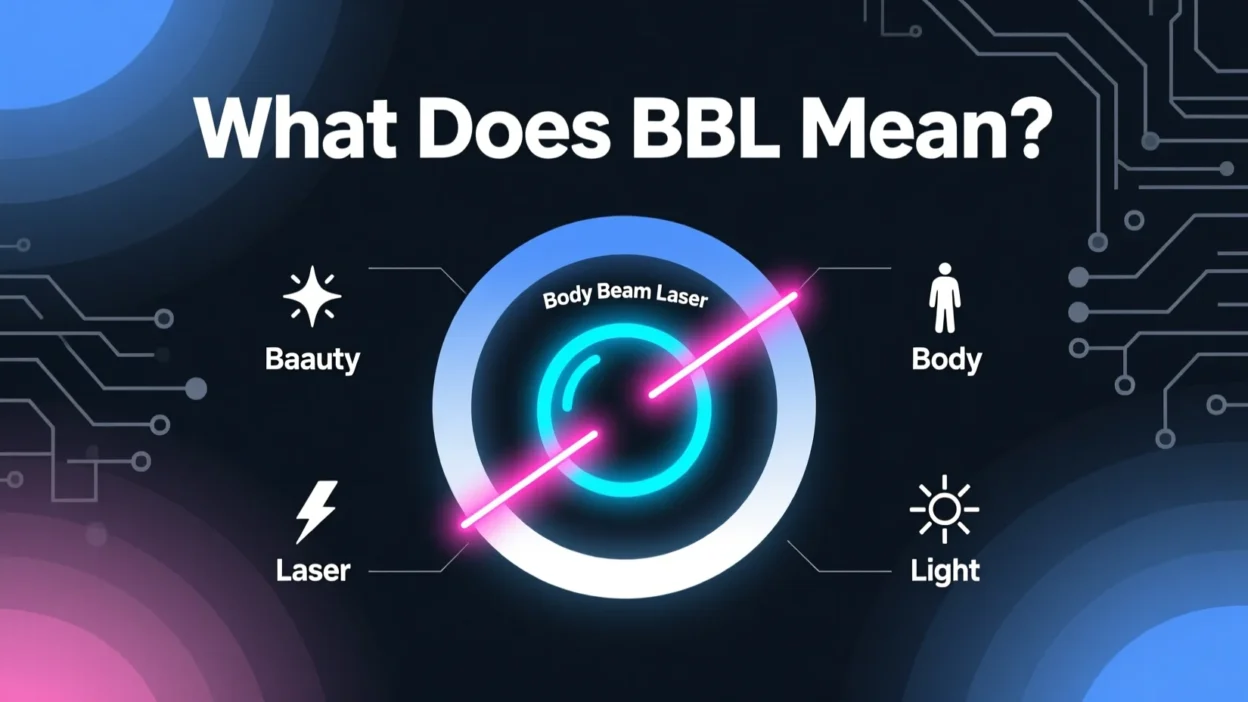
BBL can mean “Be Back Later” in texting, or “Brazilian Butt Lift” in beauty and social media contexts. The meaning depends on where and how it’s used.
What Does BBL Mean in Text?
In text language and online chat, BBL has two very common meanings.
Full Forms
- BBL = Be Back Later (texting abbreviation)
- BBL = Brazilian Butt Lift (cosmetic procedure)
Plain-English Explanation
- Be Back Later
Used when someone is leaving a chat and plans to return later.
It’s casual and friendly. - Brazilian Butt Lift
A cosmetic surgery term often used on social media, especially in beauty or celebrity discussions.
Why People Use BBL
- saves time while texting
- very common in informal chat
- popular in social media slang
- widely used in beauty and pop culture
Example Sentences
- “food just arrived, bbl”
- “she got a bbl last year”
In short:
BBL = Be Back Later (texting) OR Brazilian Butt Lift (beauty). Context matters.
Where Is BBL Commonly Used?
Common Platforms
- 💬 Text messages
- 📱 Snapchat chats
- 🎵 TikTok videos and comments
- 📸 Instagram posts
- 🐦 Twitter/X
Tone and Style
- casual
- informal
- friendly (texting use)
- descriptive (beauty use)
- not formal
Examples of BBL in Conversation
Here are realistic, lowercase chat-style examples:
- “gotta take a call, bbl”
- “bbl gonna shower”
- “she talked about her bbl openly”
- “brb or bbl?”
- “everyone on tiktok talking about bbls”
- “phone dying, bbl”
- “he said bbl and disappeared 😭”
- “that influencer confirmed her bbl”
When to Use and When Not to Use BBL
✅ When to Use BBL
- casual texting with friends
- letting someone know you’ll return
- discussing beauty trends online
- social media comments
❌ When Not to Use BBL
- professional emails
- formal writing
- serious medical discussions without clarity
- when context may confuse the reader
Context Comparison Table
| Context | Example Phrase | Why It Works / Doesn’t Work |
|---|---|---|
| friend chat | “bbl in 10 mins” | clear and casual |
| snapchat | “bbl 💬” | common usage |
| work email | “bbl after meeting” | unprofessional |
| medical report | “patient had bbl” | unclear slang |
Similar Slang Words or Alternatives
| Slang | Meaning | When to Use |
|---|---|---|
| brb | be right back | quick return |
| gtg | got to go | leaving chat |
| afk | away from keyboard | gaming chats |
| ttyl | talk to you later | ending chat |
| cosmetic surgery | beauty procedure | formal context |
| plastic surgery | surgery term | neutral use |
These words fit naturally into text slang meaning, online chat meaning, and modern texting culture.
FAQs About What Does BBL Mean
What does BBL mean in texting?
It usually means Be Back Later.
What does BBL mean on TikTok?
Often Brazilian Butt Lift, especially in beauty content.
Is BBL slang?
Yes, in texting. In beauty, it’s a real medical term.
Can BBL confuse people?
Yes, context is very important.
Is BBL formal?
No, it’s informal when used in texts.
Is BBL still commonly used?
Yes, both meanings are popular in 2025–2026.
Should I explain BBL if I use it?
If context isn’t clear, yes.
Why BBL Is Popular in Texting Culture
BBL became popular because it’s short and easy to type. Texting culture loves abbreviations, and social media boosted the second meaning through influencers and trends. That’s why BBL now has two strong meanings online.
Final Thought
Now you know what BBL means and how to understand it correctly. In texts, it usually means Be Back Later. On social media, it often means Brazilian Butt Lift.
Always check the context so you don’t get confused and you’ll read messages like a pro.

Abdul Hadi is an author who wrote about biblical themes, spiritual reflections, and scriptural insights, helping readers understand faith, symbolism, and deeper meanings through thoughtful and engaging content.