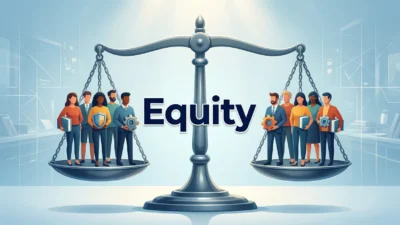
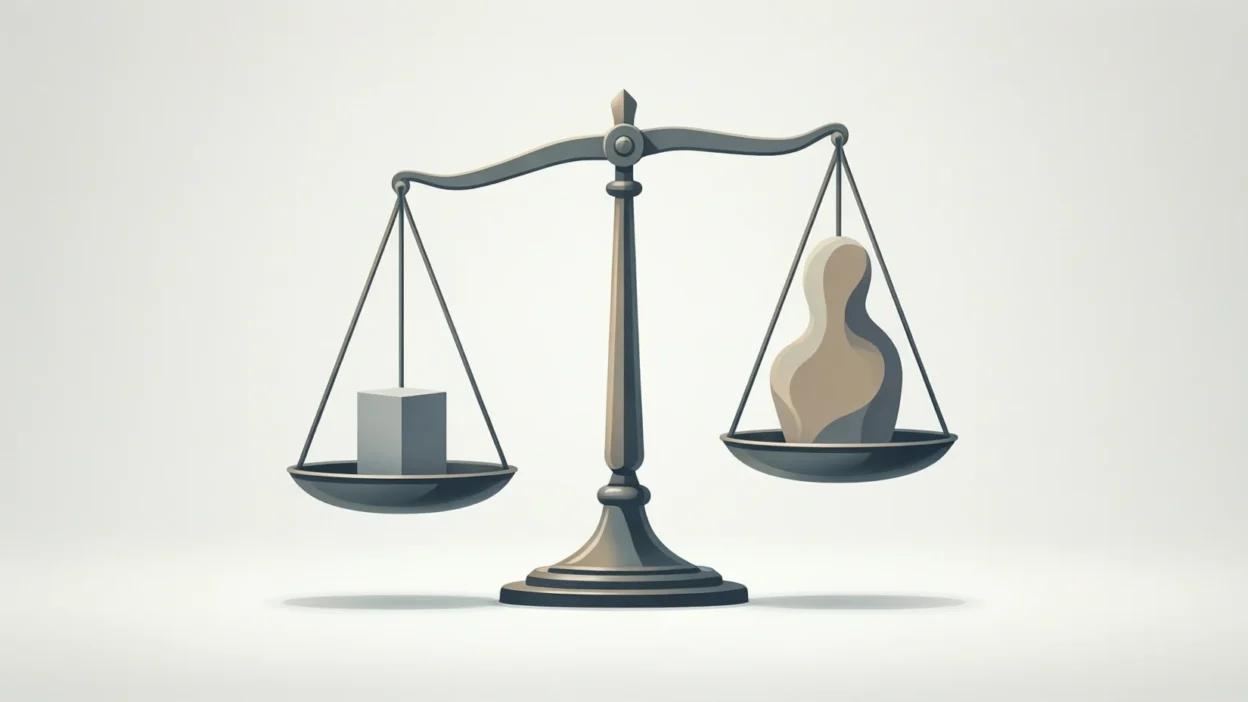
The word “bias” is commonly used in conversations about opinions, media, science, and everyday decision-making. But what does bias actually mean? Understanding bias helps us think more critically and make fairer judgments.
Quick Answer:
Bias means having an unfair preference, opinion, or tendency for or against something, often without a good reason.
What Does Bias Mean?
Bias refers to a leaning or prejudice that influences how someone thinks, feels, or acts. It can affect judgments, decisions, and behavior—sometimes without the person even realizing it.
- Simple meaning: Being one-sided or unfair
- Tone: Neutral to negative, depending on context
Example sentence:
“The report showed clear bias in favor of one side.”
Common Types of Bias
1️⃣ Personal Bias
Preferences based on personal experiences or beliefs.
Example:
“She has a bias toward her favorite brand.”
2️⃣ Confirmation Bias
Favoring information that supports what you already believe.
Example:
“He only reads articles that agree with his opinion.”
3️⃣ Cognitive Bias
Mental shortcuts that can lead to inaccurate thinking.
Example:
“First impressions often create bias.”
4️⃣ Media Bias
When news or media presents information in a slanted way.
Example:
“The channel was accused of political bias.”
5️⃣ Cultural or Social Bias
Assumptions about people based on background or group.
Example:
“Workplace bias can affect hiring decisions.”
Bias vs Opinion
| Term | Meaning |
|---|---|
| Bias | Unfair or unbalanced leaning |
| Opinion | Personal belief that can be neutral |
| Fact | Proven or verifiable truth |
Bias often influences opinions, but they’re not the same.
Is Bias Always Bad?
Not always.
✅ Can Be Harmless When:
- it’s about personal taste (food, music)
- you’re aware of it
❌ Harmful When:
- it leads to unfair treatment
- it affects justice, science, or equality
- it blocks open-minded thinking
Examples of Bias in Daily Life
- choosing someone because they seem familiar
- judging a person based on stereotypes
- trusting a source without questioning it
- favoring your own group automatically
How to Reduce Bias
- question assumptions
- seek multiple viewpoints
- rely on evidence
- be aware of personal preferences
- practice critical thinking
FAQs About Bias
#### Is bias intentional?
Not always—many biases are unconscious.
#### Can bias be removed completely?
Probably not, but it can be reduced.
#### Is bias the same as discrimination?
Bias can lead to discrimination, but they are not the same.
#### Does everyone have bias?
Yes—it’s a normal human tendency.
Final Thought
Bias means having an unfair or one-sided perspective that can influence decisions and judgments. Recognizing bias especially in ourselves is the first step toward fairness and critical thinking.

Muhammad Akash was an author who wrote about biblical topics, spiritual interpretations, and scriptural insights, guiding readers toward a deeper understanding of faith, symbolism, and meaningful biblical teachings.