
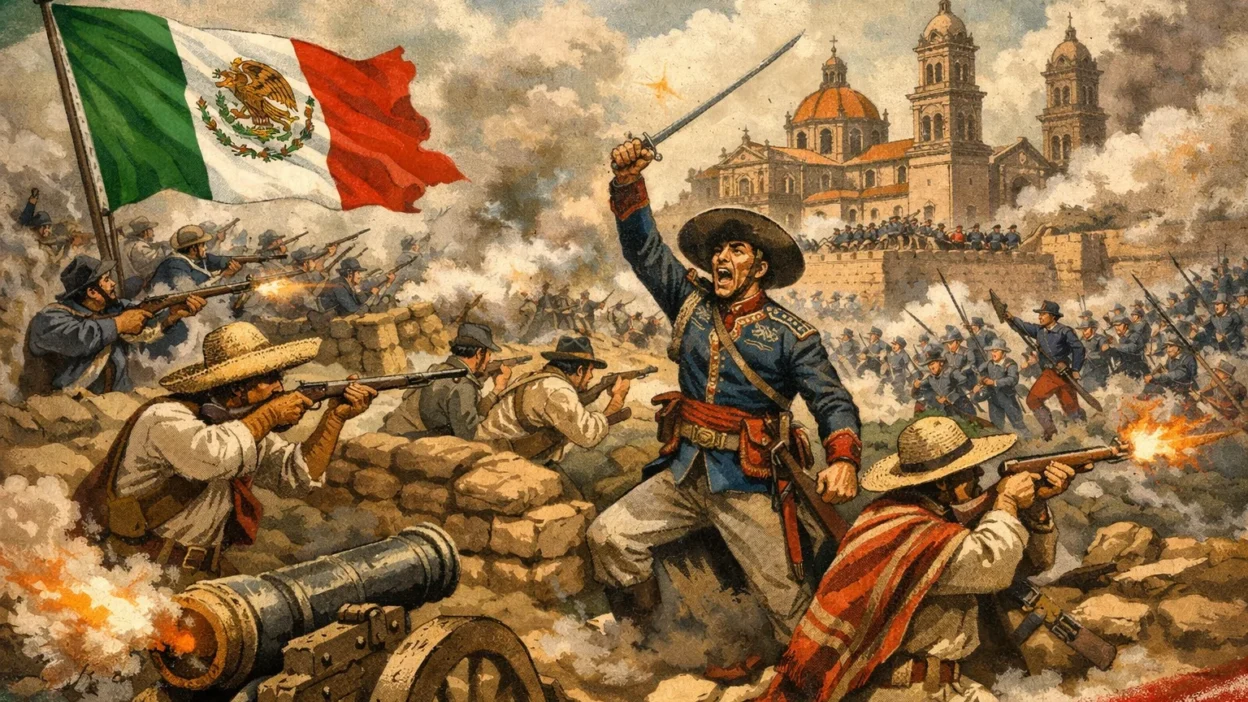
Cinco de Mayo is often misunderstood as Mexico’s Independence Day, but it actually commemorates a specific historical event. Celebrated on May 5, Cinco de Mayo honors a moment of courage and resilience in Mexican history that has grown into a cultural celebration, especially in the United States.
Quick Answer:
Cinco de Mayo celebrates Mexico’s victory over the French army at the Battle of Puebla on May 5, 1862.
What Is Cinco de Mayo?
Cinco de Mayo means “Fifth of May” in Spanish. It marks the day when Mexican forces defeated the French army in the Battle of Puebla, despite being outnumbered and under-equipped.
- Date: May 5, 1862
- Place: Puebla, Mexico
- Mexican leader: General Ignacio Zaragoza
This victory became a powerful symbol of Mexican resistance and national pride.
Historical Background
In the early 1860s:
- Mexico was deeply in debt after years of internal conflict.
- France, under Napoleon III, invaded Mexico to expand its influence.
- The French army was considered one of the strongest in the world.
Against all odds, Mexican troops successfully defended Puebla, delivering a surprising defeat to the French forces.
Although France later returned and temporarily occupied Mexico, the Battle of Puebla remained a lasting symbol of determination and unity.
Why the Battle of Puebla Matters
The victory:
- boosted Mexican morale
- showed that a powerful foreign army could be resisted
- became a symbol of national strength and independence of spirit
Even though it didn’t end the war, it inspired future resistance.
Is Cinco de Mayo Mexico’s Independence Day?
❌ No.
Mexico’s Independence Day is September 16, celebrating independence from Spain in 1810.
Cinco de Mayo commemorates one important battle, not the founding of the nation.
How Cinco de Mayo Is Celebrated
In Mexico
- Primarily observed in Puebla
- Military parades and historical reenactments
- Schools and government offices may close in Puebla
- It is a minor holiday nationally
In the United States
Cinco de Mayo has become a broader celebration of Mexican culture and heritage, particularly among Mexican-American communities.
Common traditions include:
- festivals and parades
- traditional Mexican music and dance
- cultural exhibitions
- Mexican food and beverages
The holiday gained popularity in the U.S. during the 20th century and was later amplified by cultural and commercial promotion.
Common Misconceptions About Cinco de Mayo
- ❌ It celebrates Mexico’s independence
- ❌ It is Mexico’s biggest national holiday
- ❌ It’s only about partying
✅ It commemorates a historic victory and cultural pride
Cultural Significance Today
Cinco de Mayo represents:
- resilience against oppression
- pride in Mexican heritage
- recognition of Mexican-American contributions in the U.S.
For many, it’s a day to learn about history not just celebrate.
Final Thought
Cinco de Mayo celebrates Mexico’s victory at the Battle of Puebla in 1862, a moment that symbolizes courage and resistance against overwhelming odds. While modestly observed in Mexico, it has grown into a meaningful cultural celebration especially in the United States honoring Mexican history and heritage.

Aly John is an author at NumberTemple.com, writing about biblical themes, spiritual insights, and scriptural understanding, helping readers explore faith, symbolism, and deeper meanings in the Bible.