
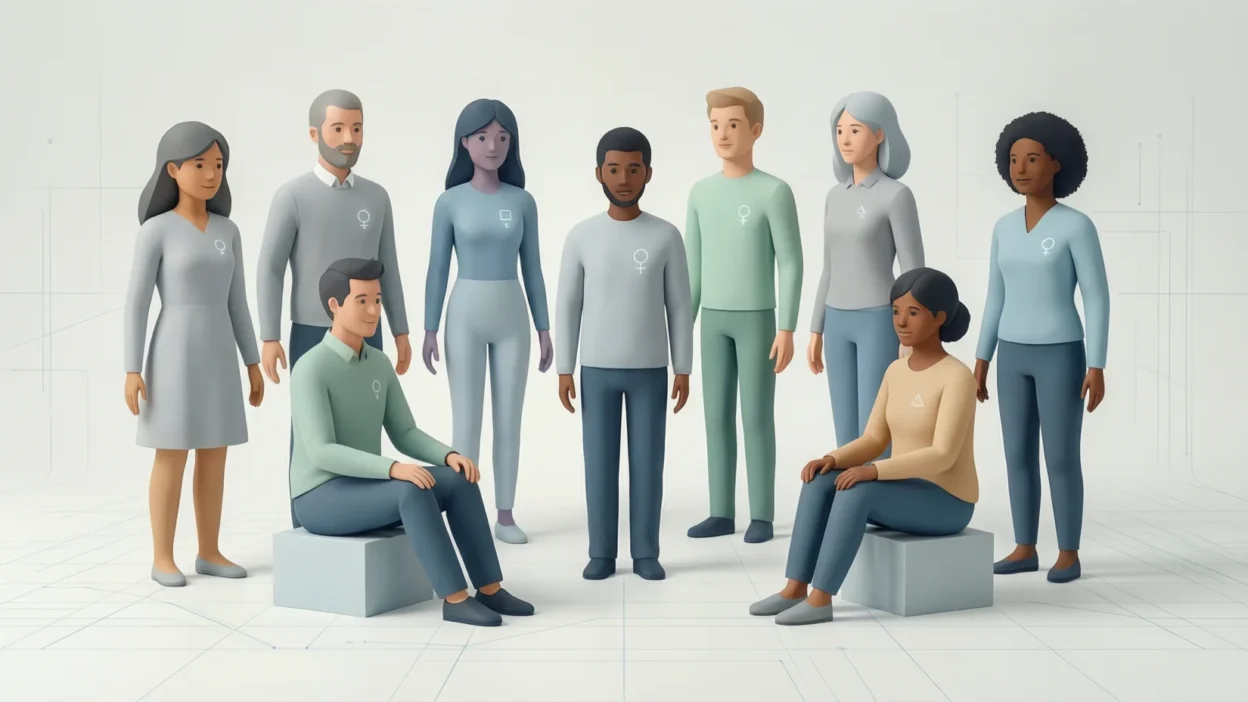
You’re scrolling through social media, reading a comment about gender or identity, and suddenly you see the word “cis.” It’s short, unfamiliar, and feels a bit confusing at first.
You might wonder, “Is this slang? Is it an insult? Or is it a label?” Many people first encounter cis in online discussions, profiles, or articles and don’t fully understand what it means. Don’t worry this word is actually very simple once explained clearly and calmly.
Quick Answer:
Cis means someone whose gender identity matches the sex they were assigned at birth. It’s a neutral, descriptive term, not an insult.
What Does Cis Mean?
The word cis comes from the Latin prefix “cis-”, meaning “on the same side.” In modern language, it’s used to describe people whose gender identity aligns with their assigned sex.
- Full form: Cisgender
- Simple meaning: Not transgender
- Why people use it: To describe gender identity clearly and respectfully
For example, if someone was born female and identifies as a woman, they are cisgender (or cis).
Example sentence:
“She identifies as cis and uses she/her pronouns.”
In short: Cis = cisgender = gender identity matches assigned sex.
Where Is Cis Commonly Used?
You’ll usually see cis used in educational, social, or identity-related contexts:
- 📱 Social media bios and profiles
- 🧵 Online discussions about gender
- 📚 Articles and educational content
- 🏫 Schools or diversity training
- 🗣️ Conversations about inclusion
Tone: Neutral and respectful
Formality: Neutral (not slang, not formal)
Examples of Cis in Conversation
Here are realistic examples written in simple, modern language:
- “i’m cis, but i support trans rights”
- “he’s a cis man”
- “she identifies as cisgender”
- “the study included cis and trans participants”
- “i’m cis and use he/him pronouns”
- “cis people can also learn about gender issues”
- “the term cis helps explain identity clearly”
When to Use and When Not to Use Cis
✅ When to Use
- discussing gender identity
- educational or respectful conversations
- inclusive writing or speech
- clarifying identity
❌ When Not to Use
- as an insult or joke
- in mocking or hateful ways
- without understanding the meaning
- to label someone against their will
Comparison Table
| Context | Example Phrase | Why It Works / Doesn’t |
|---|---|---|
| education | “cisgender and transgender identities” | accurate and respectful |
| profile bio | “cis woman, she/her” | clear self-description |
| insult | “you’re just cis” | disrespectful usage |
Similar Words or Related Terms
| Term | Meaning | When to Use |
|---|---|---|
| cisgender | same as cis | formal writing |
| transgender | gender differs from assigned sex | identity discussions |
| non-binary | not strictly male/female | gender topics |
| gender identity | personal sense of gender | educational use |
| pronouns | he/she/they | respectful communication |
FAQs About Cis
#### Is cis a bad word?
No. It’s a neutral and respectful term.
#### Is cis the opposite of trans?
Yes, in gender terms, cis is the opposite of transgender.
#### Do I have to call myself cis?
No. People can choose how they describe themselves.
#### Is cis a medical term?
It’s used in social and academic contexts, not medical diagnosis.
#### Why not just say “normal”?
Because cis and trans are both normal—the words just describe differences.
Final Thought
Cis is a simple, neutral word that helps describe gender identity clearly. It means a person’s gender matches the sex they were assigned at birth. Understanding this term helps promote respectful conversation, clarity, and inclusion in modern communication.