You’ll often hear the word “ethnicity” in forms, surveys, news, and discussions about identity but it’s not always explained clearly. People sometimes confuse ethnicity with race or nationality, even though they’re not the same thing. Understanding what ethnicity means helps make conversations about culture and identity more accurate and respectful.
Quick Answer:
Ethnicity refers to a person’s cultural background, including shared traditions, language, ancestry, and history.
What Does Ethnicity Mean?
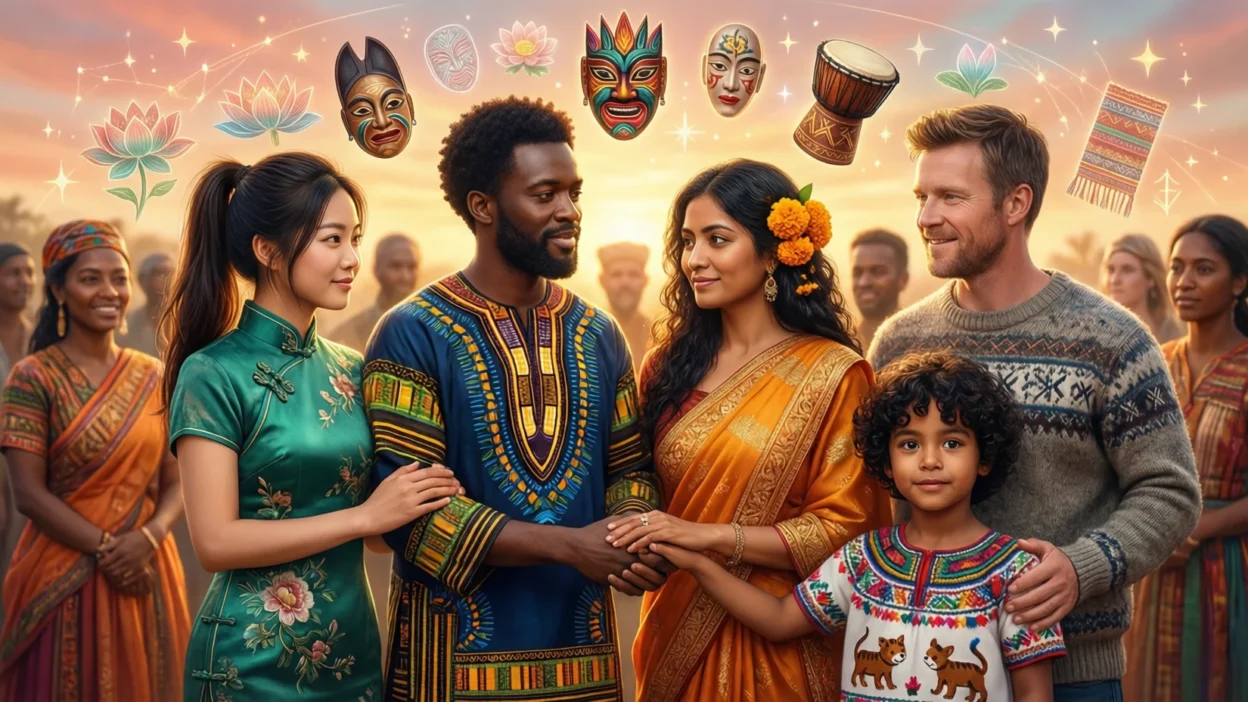
Ethnicity is about cultural identity, not physical appearance. It connects people through things like:
- shared ancestry
- common traditions and customs
- language or dialect
- history and heritage
- cultural practices
Simple meaning:
👉 Ethnicity = the cultural group you belong to.
Example sentence:
“Her ethnicity is tied to her family’s traditions and language.”
Ethnicity vs Race vs Nationality
This is where many people get confused, so here’s a clear breakdown:
| Term | What It Means |
|---|---|
| Ethnicity | Cultural background and heritage |
| Race | Physical traits (socially defined) |
| Nationality | Legal citizenship or country |
Example:
Someone can be Pakistani by nationality, South Asian by race, and Punjabi by ethnicity.
Where Is Ethnicity Commonly Used?
You’ll see the term ethnicity in:
- 📋 Government forms and surveys
- 📚 Sociology and history
- 🏫 Schools and research
- 📰 News and policy discussions
- 🌍 Cultural studies
Tone: Neutral and respectful
Formality: Formal but commonly understood
Examples of Ethnicity in Context
- “ethnicity influences language and customs”
- “people of different ethnicities live here”
- “she identifies with her ethnicity strongly”
- “ethnic diversity enriches society”
- “the survey asked about ethnicity”
- “ethnicity is not the same as race”
Why Ethnicity Matters
- helps preserve culture and traditions
- explains shared identity beyond borders
- promotes understanding and inclusion
- important in social research and policy
FAQs About Ethnicity
#### Is ethnicity the same as race?
No. Ethnicity is cultural; race is physical/social.
#### Can someone have more than one ethnicity?
Yes—many people have mixed ethnic backgrounds.
#### Does ethnicity change?
It usually stays the same, but how someone identifies can change.
#### Is ethnicity based on DNA?
Partly, but culture and upbringing matter more.
#### Is ethnicity a sensitive topic?
It can be, so it should be discussed respectfully.
Final Thought
Ethnicity describes a person’s cultural identity and heritage, shaped by traditions, language, and shared history. It’s different from race or nationality and plays a key role in how people understand who they are and where they come from.

Muhammad Akash was an author who wrote about biblical topics, spiritual interpretations, and scriptural insights, guiding readers toward a deeper understanding of faith, symbolism, and meaningful biblical teachings.