
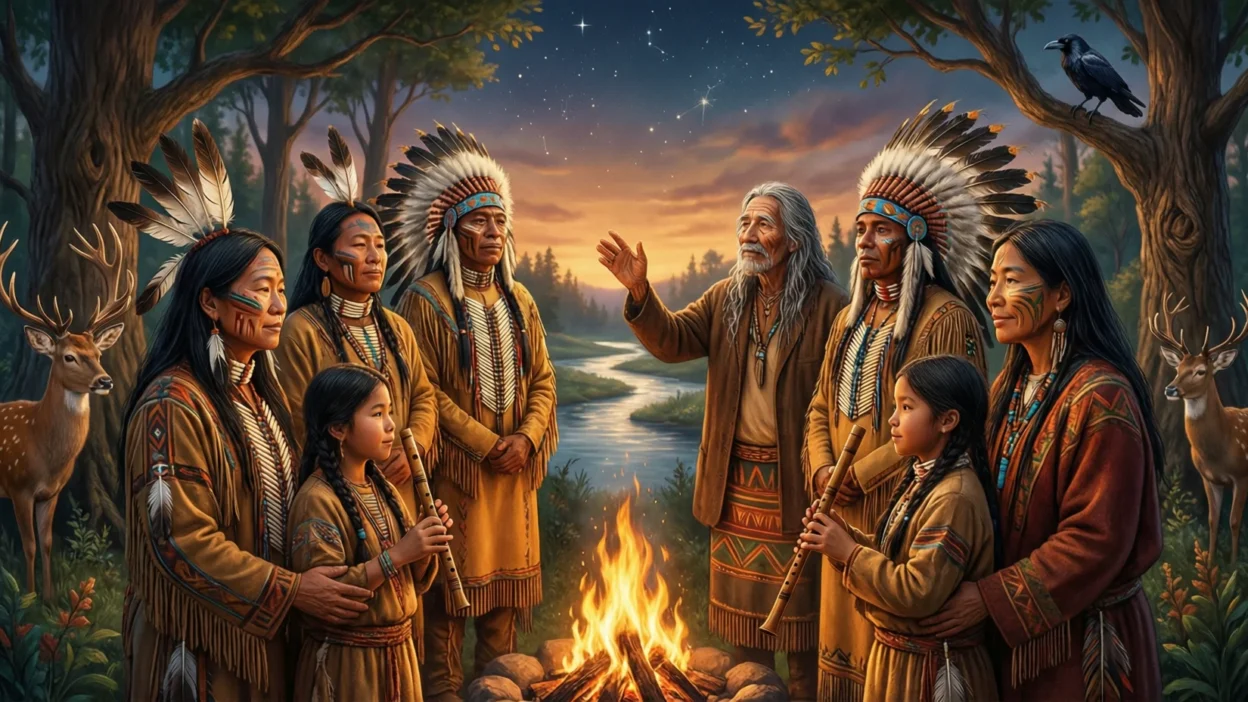
You might hear the word “indigenous” in news reports, history books, or conversations about culture and land and wonder what it truly means. It’s a powerful word tied to identity, history, and heritage.
While it’s often used in serious contexts, the core idea behind indigenous is actually very straightforward. Understanding this term helps you better understand discussions about culture, rights, and history around the world.
Quick Answer:
Indigenous means originating or naturally belonging to a specific place, especially referring to the original people of a region.
What Does Indigenous Mean?
The word indigenous describes people, cultures, plants, or animals that have existed in a place from the earliest known times, before colonization or outside influence.
- Simple meaning: Native to a place
- Common use: Original inhabitants of a land
- Why it’s used: To recognize history, identity, and roots
Example sentence:
“Indigenous communities lived on this land long before modern borders.”
In short: Indigenous = native to a place = original people or life of a region.
Where Is Indigenous Commonly Used?
You’ll often see indigenous used in educational and formal settings:
- 📚 History and geography
- 🏛️ Government and law
- 🌱 Environmental studies
- 🧑🏽🤝🧑🏿 Cultural discussions
- 📰 News and documentaries
Tone: Respectful and serious
Formality: Formal but widely understood
Examples of Indigenous in Context
Here are clear and respectful examples:
- “indigenous peoples have rich traditions”
- “the plant is indigenous to this region”
- “indigenous languages are being preserved”
- “the land rights of indigenous communities”
- “she studies indigenous history”
- “many indigenous cultures value nature deeply”
- “policies now protect indigenous heritage”
When to Use and When Not to Use Indigenous
✅ When to Use
- discussing original inhabitants
- academic or educational writing
- cultural and historical topics
- environmental descriptions
❌ When Not to Use
- as a stereotype
- in a disrespectful tone
- to replace specific group names
- casually without context
Comparison Table
| Context | Example Phrase | Why It Works / Doesn’t |
|---|---|---|
| history book | “indigenous civilizations” | accurate |
| science | “indigenous species” | correct usage |
| insult | “those indigenous people” | disrespectful tone |
Related Words or Alternatives
| Term | Meaning | When to Use |
|---|---|---|
| native | originally from a place | general use |
| aboriginal | original inhabitants | region-specific |
| first peoples | earliest communities | respectful term |
| local | from nearby | informal |
| endemic | native species | scientific use |
FAQs About Indigenous
#### Is indigenous the same as native?
Similar, but indigenous is more formal and respectful for people.
#### Is indigenous only about people?
No—it can also describe plants, animals, and cultures.
#### Should “indigenous” be capitalized?
Often capitalized when referring to people (e.g., Indigenous Peoples).
#### Is indigenous a political word?
It can be used in political discussions, but it’s mainly descriptive.
#### Is indigenous a respectful term?
Yes, when used correctly and thoughtfully.
Final Thought
Indigenous means native to a place, especially referring to the original people and cultures of a region. It’s a respectful and meaningful word that helps recognize history, identity, and deep connections to land and heritage.

Abdul Hadi is an author who wrote about biblical themes, spiritual reflections, and scriptural insights, helping readers understand faith, symbolism, and deeper meanings through thoughtful and engaging content.