
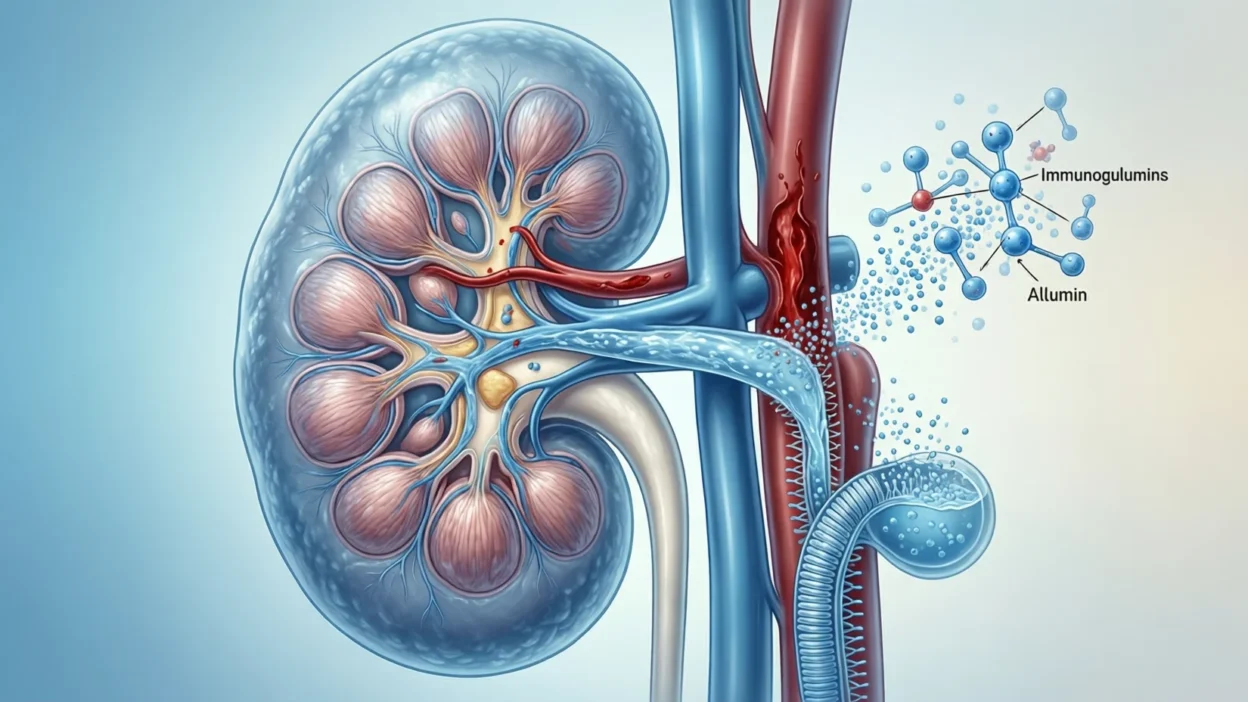
Finding protein in urine can sound alarming, especially if it appears on a lab report unexpectedly. Normally, healthy kidneys prevent most protein from passing into urine. When protein shows up, it may be a temporary issue or a sign of an underlying health condition.
Short Answer:
Protein in urine means your kidneys are allowing protein (mainly albumin) to leak into urine, which can indicate kidney stress or damage.
What Is Protein in Urine?
Protein in urine is medically called proteinuria.
Proteins are essential molecules in your blood that help build muscles, fight infections, and regulate fluids. Healthy kidneys filter waste but keep protein in the bloodstream. When the kidneys aren’t working properly, protein can leak into urine.
Is Protein in Urine Always Serious?
Not always. Protein in urine can be:
- Temporary (benign)
- Persistent (needs medical attention)
A single abnormal test doesn’t always mean disease.
Common Causes of Protein in Urine
Temporary Causes (Usually Harmless)
- Dehydration
- Fever or infection
- Stress
- Intense exercise
- Pregnancy
Medical Causes (More Serious)
- Kidney disease
- Diabetes (diabetic nephropathy)
- High blood pressure
- Urinary tract infection (UTI)
- Lupus or autoimmune diseases
- Heart disease
Symptoms of Protein in Urine
Protein in urine often has no early symptoms. When levels are high, symptoms may include:
- Foamy or bubbly urine
- Swelling in hands, feet, face, or ankles
- Fatigue
- Shortness of breath
- Loss of appetite
How Is Protein in Urine Diagnosed?
Doctors may use:
- Urine dipstick test (quick screening)
- 24-hour urine test
- Urine albumin-to-creatinine ratio (UACR)
- Blood tests to check kidney function
What Are Normal Protein Levels in Urine?
- Normal: Less than 150 mg per day
- Microalbuminuria: Early kidney warning
- Proteinuria: High protein levels
Persistent protein levels require further testing.
Treatment for Protein in Urine
Treatment depends on the cause:
Lifestyle Changes
- Drink enough water
- Reduce salt intake
- Manage blood sugar
- Control blood pressure
Medical Treatment
- Blood pressure medications (ACE inhibitors or ARBs)
- Diabetes management
- Treating infections
- Kidney specialist care if needed
Can Protein in Urine Be Prevented?
You can lower risk by:
- Managing diabetes and blood pressure
- Staying hydrated
- Avoiding excessive painkillers
- Getting regular health checkups
When Should You See a Doctor?
See a doctor if:
- Protein appears repeatedly in urine tests
- You have swelling or foamy urine
- You have diabetes or high blood pressure
Final Thoughts
Protein in urine is a warning sign not a diagnosis. While it can be temporary and harmless, persistent proteinuria may signal kidney or systemic health problems. Early detection and treatment can help protect kidney function.

Aly John is an author at NumberTemple.com, writing about biblical themes, spiritual insights, and scriptural understanding, helping readers explore faith, symbolism, and deeper meanings in the Bible.