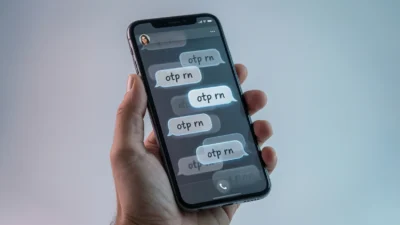

The first time I saw “smh” in a text, I thought it might be a typing mistake. A friend replied “smh” after I told a silly story, and I had no idea what reaction that was. Later, I started noticing it everywhere WhatsApp chats, Instagram comments, Twitter replies, and even gaming chats.
Slowly, it became clear that smh is not random at all. It’s a short way people show feelings when words feel unnecessary. If you’ve seen it and felt confused, you’re not alone.
Quick Answer: SMH means “shaking my head.” It’s an informal way of showing disappointment, disbelief, or mild frustration in text.
What Does Smh Mean In Text?
In text language, smh is a texting abbreviation for “shaking my head.” People use it when something feels silly, disappointing, or hard to believe.
Instead of explaining their full reaction, they simply type smh to show emotion quickly. It’s part of modern chat shorthand and fits perfectly into fast online conversations.
Why people use smh:
- To react to something foolish
- To show disappointment
- To express disbelief
- To respond without long explanations
Example sentence:
“you forgot your keys again smh”
In short: Smh = Shaking my head = Showing disappointment or disbelief.
Where Is Smh Commonly Used?
Smh is widely used in casual and informal communication.
You’ll commonly see it on:
- 💬 Text messages
- 📱 Instagram comments & DMs
- 🐦 Twitter / X replies
- 🎮 Gaming chats
- 🧑🤝🧑 Group chats
Tone:
- Casual
- Informal
- Sometimes sarcastic
- Not professional
It’s very common in social media slang and everyday texting culture.
Examples Of Smh In Conversation
Here are realistic examples written in natural, lowercase texting style:
- “you did that again smh”
- “smh i can’t believe this”
- “he was late for the third time smh”
- “you really said that smh”
- “smh people never learn”
- “forgot to save the file smh”
- “that excuse was weak smh”
- “smh this always happens”
These examples show how smh adds emotion without extra words.
When To Use And When Not To Use Smh
Using smh in the right place is important.
✅ When To Use Smh
- Casual chats with friends
- Reacting to silly mistakes
- Social media comments
- Informal online discussions
❌ When Not To Use Smh
- Professional emails
- Talking to elders formally
- Serious emotional conversations
- School or office writing
Comparison Table
| Context | Example Phrase | Why It Works / Doesn’t |
|---|---|---|
| texting a friend | “you forgot again smh” | natural & expressive |
| social media | “smh people be wild” | fits slang tone |
| work email | “the report is late smh” | unprofessional |
| serious talk | “your loss smh” | sounds insensitive |
Similar Slang Words Or Alternatives
If you don’t want to use smh, here are some common alternatives:
| Slang | Meaning | When To Use |
|---|---|---|
| bruh | disbelief | casual reactions |
| fr | for real | emphasis |
| wow | surprise or sarcasm | general reactions |
| lol | light reaction | informal chats |
| idk | i don’t know | confusion |
Each option fits different moments in informal chat.
FAQs About Smh
#### What does smh stand for?
It stands for shaking my head.
#### Is smh rude?
Not usually, but it can sound rude if used aggressively.
#### Can smh be sarcastic?
Yes, many people use it sarcastically online.
#### Is smh used by adults?
Yes. Both teens and adults use it in texting.
#### Can smh be used jokingly?
Yes, especially among friends.
#### Is smh social media slang?
Yes. It’s very common on social media and chats.
Final Thought
Smh is a simple but powerful part of modern texting culture. It helps people express disappointment or disbelief without typing long sentences.
As long as it’s used casually and in the right context, it fits perfectly into everyday digital communication.

Rohan Ahmad was an author who wrote about biblical topics, spiritual interpretations, and scriptural insights, helping readers gain a deeper understanding of faith, symbolism, and meaningful biblical teachings.