The first time I saw “tldr” at the bottom of a long post, I felt lazy and relieved at the same time. Someone had written a huge paragraph, and then boom ldr: just skip to this part. If you spend time on Reddit, Twitter, or long WhatsApp messages, you’ve probably seen it too.
At first, it looks confusing. Is it a typo? A code? But once you learn it, tldr becomes one of the most useful internet terms ever. Let’s break it down in a simple way so you’ll never wonder again.
Quick Answer: What does tldr mean?
TLDR means “Too Long; Didn’t Read.” It’s a casual way to give a short summary of a long message.
What Does TLDR Mean in Text?
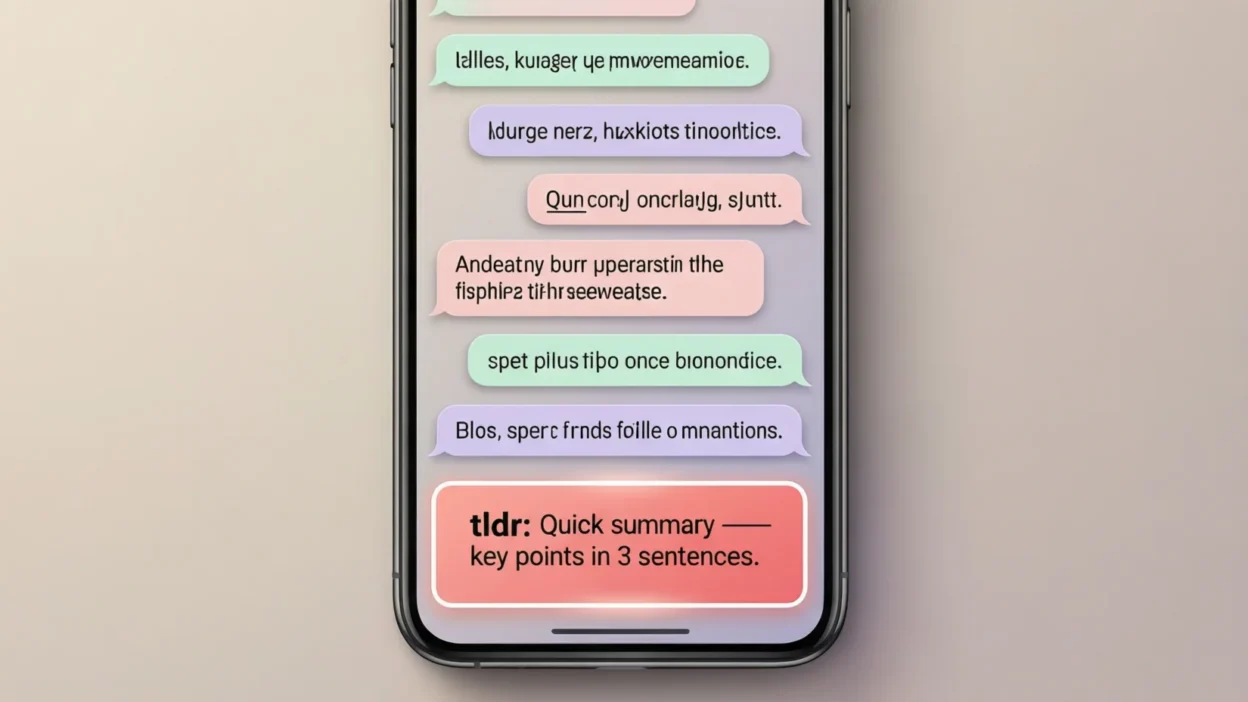
In text language, tldr is a popular texting abbreviation used when something is very long. People add tldr to quickly explain the main point, so readers don’t have to read everything.
It’s common in online chat meaning and social media slang, especially where long posts are shared.
Why people use tldr:
- To save time
- To give a quick summary
- To help busy readers
- To fit modern texting culture
Short example sentence:
“tldr: the update broke the app.”
In short: TLDR = Too Long; Didn’t Read = A short summary of a long message.
Where Is TLDR Commonly Used?
TLDR is very common in casual online spaces. It’s not formal and works best in internet conversations.
You’ll often see tldr here:
- 📱 Text messages (long explanations)
- 💬 Reddit posts & comments
- 🐦 Twitter / X threads
- 📘 Facebook posts
- 🎮 Gaming forums & chats
- 🌐 Blogs and online discussions
Tone:
- Casual ✅
- Informal ✅
- Neutral ✅
- Formal ❌
TLDR is very social-media-friendly and widely accepted online.
Examples of TLDR in Conversation
Here are realistic texting-style examples, written in lowercase:
- “tldr: we missed the train”
- “this post is long but tldr is helpful”
- “tldr: he said no”
- “tldr version please 😭”
- “tldr: game update ruined everything”
- “i didn’t read it, just the tldr”
- “tldr: she’s moving away”
- “tldr at the bottom saved me”
These examples show how tldr fits naturally in informal chat.
When to Use and When Not to Use TLDR
Using tldr correctly makes you sound internet-smart. Using it wrong can feel rude.
✅ When to Use TLDR
- Summarizing long posts
- Explaining something quickly
- Online discussions and forums
- Casual chats with friends
- Social media threads
❌ When Not to Use TLDR
- Professional emails
- Work reports
- Academic writing
- Serious or emotional conversations
Comparison Table
| Context | Example Phrase | Why It Works / Doesn’t |
|---|---|---|
| reddit post | “tldr: the update failed” | helpful and expected |
| friend chat | “tldr: i’ll be late” | quick and clear |
| work email | “tldr: meeting canceled” | too informal |
| serious message | “tldr: breakup happened” | can sound insensitive |
Similar Slang Words or Alternatives
Here are other ways people say the same thing as tldr.
| Slang / Phrase | Meaning | When to Use |
|---|---|---|
| tldr | too long; didn’t read | internet posts |
| summary | short version | neutral tone |
| in short | brief explanation | casual writing |
| quick version | fast explanation | informal chat |
| long story short | shortened story | spoken & text |
| recap | brief review | social media |
Each option fits different slang usage and communication styles.
FAQs About TLDR
#### What does tldr stand for?
TLDR stands for “Too Long; Didn’t Read.”
#### Is tldr rude?
It can be if used wrongly. It’s fine for summaries but rude if mocking someone.
#### Who uses tldr?
Mostly internet users, students, gamers, and social media users.
#### Can tldr be used in texting?
Yes, it’s very common in texts and online chats.
#### Should tldr be uppercase or lowercase?
Both are correct. tldr is more casual; TLDR stands out more.
#### Is tldr still popular?
Yes. It’s still widely used across Reddit, Twitter, and blogs.
Final Thought
TLDR is one of the most useful chat shorthand terms online. It helps people communicate faster, understand long content quickly, and survive today’s fast-moving texting culture. Once you know what tldr means, you’ll spot it everywhere and probably start using it yourself.

Aly John is an author at NumberTemple.com, writing about biblical themes, spiritual insights, and scriptural understanding, helping readers explore faith, symbolism, and deeper meanings in the Bible.