
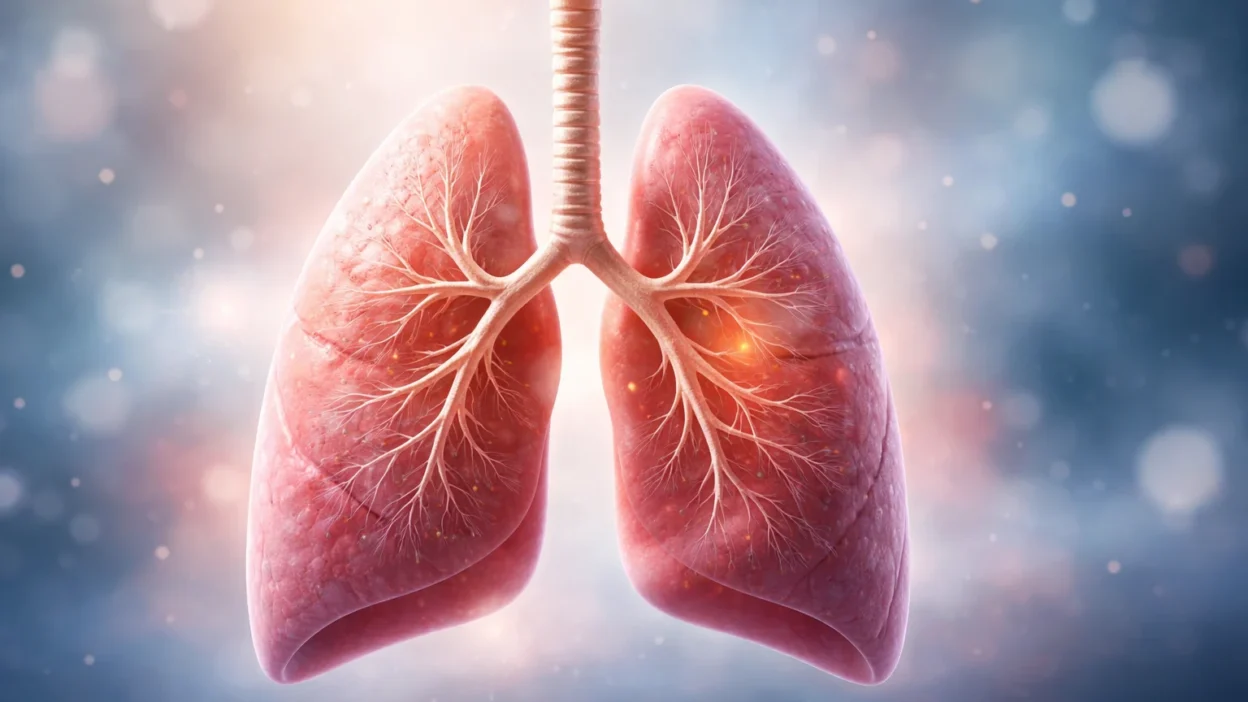
Vaping is often advertised as a “safer” alternative to smoking, but many people ask an important question: what does vaping do to your lungs? Research shows that while vaping may expose users to fewer toxic chemicals than cigarettes, it can still harm lung health, especially with frequent or long-term use. This article explains the short-term effects, long-term risks, and warning signs related to vaping and lung damage.
How Vaping Affects the Lungs
1️⃣ Irritation and Inflammation
When you vape, you inhale an aerosol containing chemicals like propylene glycol, vegetable glycerin, and flavoring agents. These substances can:
- irritate lung tissue
- inflame airways
- cause throat and chest discomfort
Inflammation makes breathing harder and can worsen existing lung conditions like asthma.
2️⃣ Damage to Lung Cells
Studies show vaping can damage the cells that line your lungs. This damage:
- reduces the lungs’ ability to heal
- weakens natural defenses
- increases sensitivity to pollutants
Over time, damaged cells may lead to chronic lung problems.
3️⃣ Increased Risk of Chronic Lung Conditions
Regular vaping has been linked to symptoms such as:
- chronic cough
- wheezing
- shortness of breath
- mucus buildup
These symptoms resemble chronic bronchitis and may become persistent with continued use.
4️⃣ Serious Lung Injury (EVALI)
Some users develop E-cigarette or Vaping-Associated Lung Injury (EVALI), a serious condition that can cause:
- severe breathing difficulty
- chest pain
- lung scarring
- hospitalization
This risk is higher with THC or unregulated vape products, but it is not zero with nicotine vapes.
5️⃣ Nicotine’s Effect on Lung Function
Most vapes contain nicotine, which:
- restricts blood flow
- reduces oxygen delivery
- slows lung tissue repair
Nicotine also increases addiction, making it harder to quit and increasing long-term exposure.
6️⃣ Higher Risk of Infections
Vaping may weaken immune cells in the lungs, increasing the risk of:
- colds and flu
- bronchitis
- pneumonia
Your lungs become less effective at clearing bacteria and viruses.
Short-Term vs Long-Term Effects
Short-Term Effects
- throat irritation
- coughing
- chest tightness
- shortness of breath
Long-Term Effects
- chronic lung inflammation
- reduced lung capacity
- increased asthma severity
- potential permanent lung damage
Research on long-term vaping is still ongoing, but early evidence is concerning.
Is Vaping Safer Than Smoking?
- ✔️ Likely less harmful than cigarettes
- ❌ Still harmful to lungs
- ❌ Not safe for non-smokers, teens, or people with asthma
“Less harmful” does not mean harmless.
Signs Vaping May Be Damaging Your Lungs
- persistent cough
- frequent chest infections
- wheezing or breathlessness
- chest pain
- fatigue during normal activities
If symptoms continue or worsen, medical evaluation is important.
Can Lungs Heal After Quitting Vaping?
Yes, in many cases:
- inflammation may reduce within weeks
- lung function can improve over months
- infection risk decreases
However, severe or long-term damage may not fully reverse.
Conclusion
So, what does vaping do to your lungs? It can irritate airways, damage lung cells, increase infection risk, and contribute to chronic breathing problems. While vaping may be less harmful than smoking, it still poses real risks to lung health, especially with regular use. The best way to protect your lungs is not to vape at all.

Aly John is an author at NumberTemple.com, writing about biblical themes, spiritual insights, and scriptural understanding, helping readers explore faith, symbolism, and deeper meanings in the Bible.