The first time I saw the word habibi, it was in an Instagram comment under a funny reel. Someone wrote, “come on habibi 😂,” and everyone reacted like it was normal.
I honestly thought it was just another internet slang word. Later, I heard it in TikTok videos, Snapchat chats, and even casual texting with friends.
That’s when I realized habibi is not random slang it’s a real word with a warm, loving meaning that people all over the world now use online.
If you’re curious about what does habibi mean, this article explains it in a simple, friendly, and easy way.
Quick Answer:
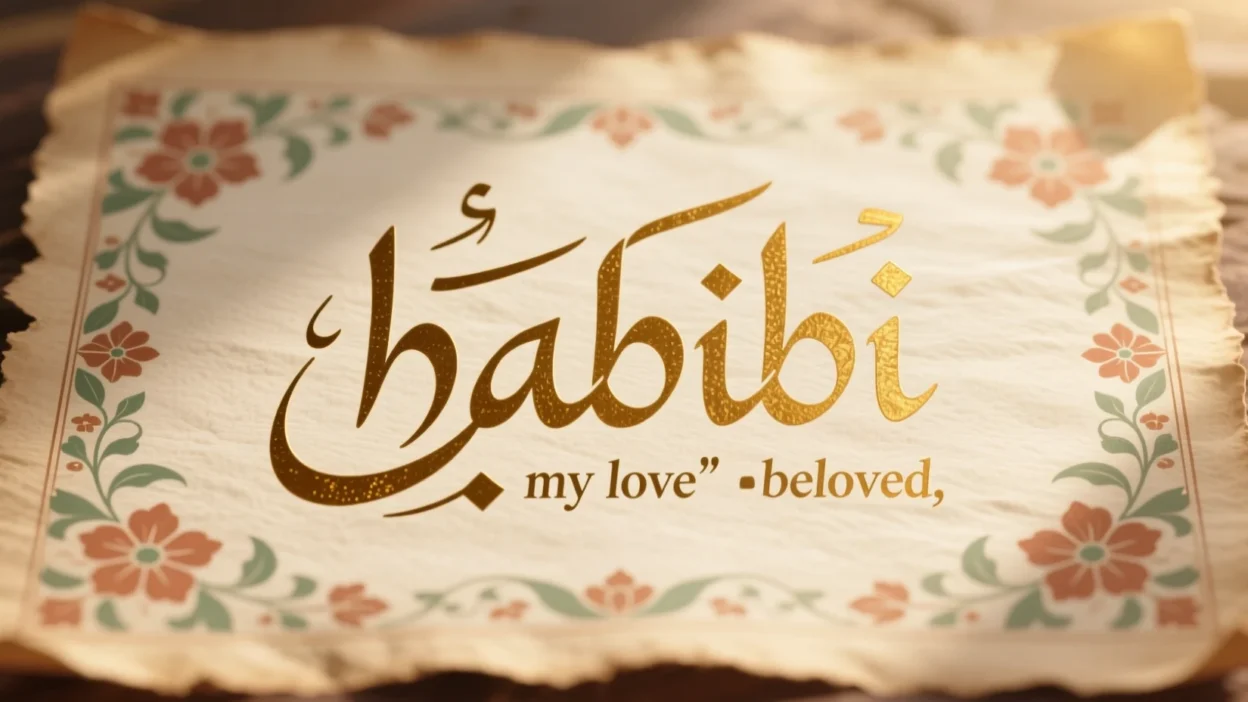
Habibi means “my love” or “my dear.” It’s an affectionate way to address someone you care about, used in a friendly or loving tone.
What Does Habibi Mean in Text?
In text language and online chat, habibi is a word used to show affection, closeness, or friendliness.
Full Form
There is no full form. Habibi is an Arabic word.
Plain-English Explanation
When someone calls you habibi, they usually mean:
- my love
- my dear
- my friend (in a warm way)
- someone special to me
It can be romantic, friendly, or playful depending on context.
Why People Use Habibi
- it sounds warm and friendly
- popular in memes and social media slang
- shows care or closeness
- fits casual texting culture
Example Sentence
“relax habibi, everything will be fine.”
In short:
Habibi = my love / my dear = a warm, affectionate way to address someone.
Where Is Habibi Commonly Used?
Habibi is used both offline and online, especially in informal conversations.
Common Platforms
- 💬 Text messages
- 🎵 TikTok videos and comments
- 📸 Instagram captions and DMs
- 🐦 Twitter/X posts
- 🗣️ Real-life casual conversations
Tone and Style
- affectionate
- friendly
- casual
- sometimes playful
- not formal
Examples of Habibi in Conversation
Here are realistic, modern texting-style examples:
- “don’t worry habibi, i got you”
- “good morning habibi ☀️”
- “come here habibi 😂”
- “habibi that was funny”
- “thanks habibi, appreciate it”
- “you okay habibi?”
- “habibi chill, it’s not that serious”
- “miss you habibi”
When to Use and When Not to Use Habibi
✅ When to Use Habibi
- talking to close friends
- texting a partner or crush
- friendly jokes
- social media comments
❌ When Not to Use Habibi
- professional or work emails
- formal writing
- talking to strangers who may feel uncomfortable
- serious or official conversations
Context Comparison Table
| Context | Example Phrase | Why It Works / Doesn’t Work |
|---|---|---|
| friend chat | “habibi what’s up” | friendly and warm |
| romantic text | “miss you habibi” | affectionate |
| office email | “habibi please check” | unprofessional |
| formal speech | “dear habibi” | inappropriate |
Similar Slang Words or Alternatives
| Word | Meaning | When to Use |
|---|---|---|
| babe | romantic nickname | partner |
| bro | friendly term | friends |
| honey | affectionate | loved ones |
| dear | polite affection | casual |
| boo | romantic slang | texting |
| bestie | close friend | social media |
These words are common in text slang meaning, online chat meaning, and modern texting culture.
FAQs About What Does Habibi Mean
What does habibi mean in simple words?
It means “my love” or “my dear.”
Is habibi romantic?
It can be romantic or friendly, depending on context.
Is habibi slang?
No, it’s a real Arabic word, but used casually online.
Can friends say habibi to each other?
Yes, very commonly.
Is habibi used for folks?
Yes, though traditionally habibi is masculine.
Is habibi respectful?
Yes, when used in a kind and friendly way.
Is habibi popular on social media?
Yes, especially on TikTok and Instagram.
Why Habibi Is Popular in Texting Culture
Habibi became popular online because it sounds warm, friendly, and expressive. Social media, memes, and global content helped spread it worldwide. Now it’s part of everyday informal chat and social media slang.
Final Thought
Now you know what habibi means and how to use it correctly. It’s a loving, friendly word that shows care and closeness. Whether in texts, comments, or casual chats, habibi adds warmth and personality to conversations.

Abdul Hadi is an author who wrote about biblical themes, spiritual reflections, and scriptural insights, helping readers understand faith, symbolism, and deeper meanings through thoughtful and engaging content.